

A dog who cleaned the bowl for years and now sniffs at it and walks off is reporting one of five things: my stomach feels off, my mouth hurts, this food tastes stale, waiting gets me something better, or my routine changed. Sudden fussiness in a dog with a solid eating history is information, not stubbornness. Refusing food past about two days, or refusing alongside vomiting, weight loss, or unusual flatness, means a call to the clinic instead of a new topper.
Sudden and lifelong pickiness are different problems
Some dogs have never been enthusiastic eaters. Small breeds especially. That's a management question.
A change is different. A five-year-old Labrador who never once left kibble and now leaves half of it changed for a reason, and the reason is worth finding.
Nausea is the most common disguise
Queasy dogs rarely vomit on cue. They lick their lips, swallow repeatedly, gulp air, graze on grass, stand over the bowl without committing, or take a mouthful and drop it back out.
Low-grade nausea can come from food that's too rich, from something scavenged on a walk, from a gut still unsettled after antibiotics, or from a longer list of medical causes. If that pattern shows up daily, your veterinarian is the right first call, since chronic nausea has causes no feeding trick will touch.
Open the mouth
This is the check owners skip and vets find things in. Lift the lip on both sides and look at the back teeth.
A fractured upper carnassial, a red gum line, a loose incisor, or a mass under the tongue all make chewing hurt. Dogs with dental pain often still want food. They want food that doesn't require pressure. A dog who suddenly prefers wet food, chews on one side, or drops kibble and picks it up again is telling you where it hurts.
Your food may have gone stale
Fat is what makes kibble smell good, and fat oxidizes. A large bag opened and left in a warm garage for two months smells noticeably flatter to a dog than it did on day one.
Buy bag sizes your dog finishes in four to six weeks. Keep food in its original bag, top folded and clipped, then set that bag inside the plastic bin instead of dumping kibble in loose. The liner is built as a fat barrier. The bin is not.
Check the date stamp. AAFCO's guide to understanding pet food labels explains what printed dates mean. Then smell the food yourself; rancid fat carries a crayon-like note that's hard to miss once you know it.
The treat arithmetic almost nobody runs
Treats are meant to stay under roughly ten percent of daily calories. A 20-pound dog with modest activity often needs somewhere in the 400–500 calorie range daily, leaving about 40–50 calories for everything else.
Two dental chews and a handful of training biscuits can eat that allowance and keep going. A dog who has had 200 calories of interesting food by four o'clock is not picky at dinner. He's full.
Write down everything the dog eats for three days, including whatever the kids hand over. The list runs longer than anyone expects.
Free-feeding hides the problem
Food left down all day removes the signal you need. You can't tell whether a dog ate poorly or just slowly.
Two measured meals, fifteen minutes down, bowl comes up whether or not it's empty. Inside a few days you'll have real data, plus a little appetite pressure that most healthy dogs respond to quickly.
Bowl, location, and timing
Deep narrow bowls bother flat-faced dogs. Metal bowls on tile clatter and slide, and some dogs hate that. A bowl beside a noisy appliance makes a nervous dog abandon meals halfway.
Try a shallow wide dish in a quiet corner. Try feeding before the walk rather than after. Small mechanical changes fix a surprising share of cases.
What you may have taught by accident
The pattern goes like this. Dog leaves dinner. Owner worries, adds chicken. Dog eats. Next night, dog waits.
Dogs learn contingencies fast. If leaving the bowl reliably produces something better, leaving the bowl becomes the strategy. Breaking it means holding a boring meal in place for days, which feels awful and works.
A seven-day reset
Days one and two: measure the current food, cut treats entirely, two meals, fifteen minutes each.
Days three and four: hold the schedule, add warm water to release aroma.
Days five through seven: if intake improved, stay the course. If not, book the visit and bring your food log. Don't change the food itself during the reset, because one variable at a time is the only way to learn anything.
Where digestive support fits
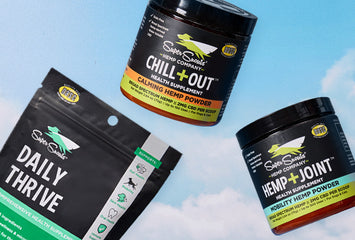
If the pickiness travels with soft stool, stool quality deserves attention alongside appetite. Soluble fiber gives loose stool structure, and Firm Up is a concentrated pumpkin-based source of it that stirs into wet food without much protest.
Warm water plus a palatable powder also makes food smell stronger, which helps a marginal eater. Hot weather, incidentally, lowers appetite on its own, so trim the portion before you reach for toppers. The rest of the range sits on the Super Snouts collection page.
Stop troubleshooting and call
Refusal past 48 hours in an adult, or past 12 hours in a puppy or toy breed. Vomiting more than once. Black or bloody stool. Rapid weight loss. Yellow gums. Drinking far more or far less than usual. Breath that turned foul overnight.
Those aren't feeding problems. Ask your vet for bloodwork and an oral exam.
FAQ
How long can a dog go without eating before it's an emergency?
A healthy adult missing one or two meals is usually not urgent. Past two days with nothing, or any refusal paired with vomiting or lethargy, is urgent. Puppies, toy breeds, and diabetic dogs have much shorter windows.
Should I just switch foods if my dog is bored?
Boredom is rarely the cause, and food-hopping teaches a dog to hold out for the next new thing. Rule out pain, nausea, stale food, and treat overload first.
Is it okay to add chicken and rice to make my dog eat?
Occasionally, yes. As a nightly habit it unbalances the diet and rewards the waiting game. The WSAVA global nutrition guidelines cover why balance matters; your vet can size a long-term topper properly.
Why does my dog eat treats but not dinner?
Treats are more calorie-dense and far more aromatic, and a dog who isn't hungry will still take dessert. It doesn't rule out dental pain either, since treats are often softer.