
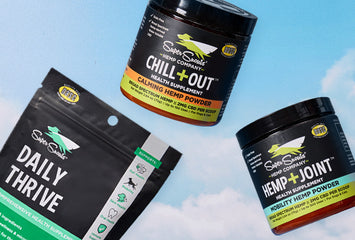

If you own a Boykin Spaniel, the supplement conversation starts with joints — hip dysplasia is well documented in this breed despite its modest size — and continues through gut support for hard hunting days and coat care for a dog that's half spaniel, half otter. There's also one condition every Boykin owner needs to know by name, and no supplement addresses it: exercise-induced collapse.
Let's take those in order.
South Carolina's little brown dog
The Boykin was purpose-built in the early 1900s to hunt turkeys and waterfowl from small boats in South Carolina's swamps — a retriever's heart squeezed into a 25-to-40-pound chocolate-colored package. The state loved the result enough to make it the official state dog. Today's Boykin, described in detail on the AKC's breed page, remains an eager, biddable athlete with a wavy brown coat, amber eyes, and a lifespan of roughly 10 to 15 years.
What matters for our purposes: this dog was designed to work in water, run all day, and fit in a canoe. Each of those design specs comes with maintenance requirements.
Hips first: the breed's biggest orthopedic issue
Hip dysplasia rates in Boykins run surprisingly high for a medium dog — the Orthopedic Foundation for Animals has historically ranked the breed among the more affected, which is why serious breeders screen every litter's parents. VCA's hip dysplasia article explains the mechanics: a loose-fitting hip joint that wears cartilage abnormally over years.
What you can influence:
- Buy from health-tested lines if you're still choosing a puppy — ask to see OFA or PennHIP results for both parents
- Keep your Boykin lean. Body condition is the most powerful lever any owner controls; extra pounds multiply joint stress on every retrieve
- Support cartilage nutrition early in working dogs. Green-lipped mussel supplies omega-3s, glucosamine, and chondroitin in one natural package — Joint Power is that single mussel and nothing else. Ask your veterinarian when it makes sense to begin for your dog's workload; for field dogs, that conversation is worth having before stiffness appears rather than after.
Exercise-induced collapse: know it, plan around it
Boykins are among the breeds carrying the genetic variant for exercise-induced collapse (EIC), a condition in which intense excitement plus hard exercise can trigger wobbliness or collapse, typically 5 to 15 minutes into maximal effort. A simple DNA test identifies carriers and affected dogs.
We bring this up in a supplement guide precisely to say: this is not a supplement problem. EIC is managed by genetic testing, sensible conditioning, and knowing your individual dog's limits — all coordinated with your veterinarian. If your Boykin has ever gone wobbly during hard work, video the episode if you safely can and bring it to your vet; several look-alike conditions need ruling out. The Cornell Riney Canine Health Center maintains solid owner-facing material on inherited canine conditions like this one.
The swamp-dog package: ears, coat, and skin
A dog engineered for water pays for it in ear canals and coat condition. Boykin ears are pendulous and furry — the classic moisture-trap setup — so a dry-after-every-swim habit and weekly ear checks prevent most trouble before it starts. Persistent head-shaking or odor means a vet visit, since established ear infections need actual medication.
For the coat itself, that rich brown wave does best with regular brushing, thorough freshwater rinses after swampy swims, and solid nutritional support from the inside. Omega-3 fatty acids and mushroom-derived compounds both support normal skin function; a broad blend like Super Shrooms covers the mushroom side with seven species in a single scoop, and it doubles as everyday immune support for a dog whose nose spends a lot of time in questionable water.
Hunt-day digestion
Anyone who has run a spaniel through a full field day knows what the next morning's stool can look like. Excitement, irregular meals, pond water, and the occasional swallowed feather all push a working gut off its rhythm.
Our field-bag staples for a Boykin:
- Firm Up! — dehydrated pumpkin and apple fiber that supports normal stool consistency; mix it into the post-hunt meal when the weekend's been chaotic
- A consistent base diet, resisted temptation to share camp food, and planned small meals rather than one big post-hunt feast
If loose stool persists past a couple of days, comes with blood, or pairs with vomiting or lethargy, skip the home management and phone the clinic — swamp country carries parasites and pathogens that fiber won't fix, and your veterinarian will want to know about exposure history.
A Boykin routine we'd actually run
- Genetic and orthopedic screening first — EIC status and hip evaluation give you the map for everything else
- Lean body condition as the non-negotiable — the cheapest joint protection ever invented
- Green-lipped mussel daily for field dogs, on your vet's timeline
- Mushroom-based skin and immune support if coat or itchiness is part of your dog's picture
- Fiber in the field bag for the weekends that get interesting
One addition at a time, two weeks apart — and show the whole list to your veterinarian, who may adjust it based on your dog's screening results.
Boykin owner FAQ
Do Boykin Spaniels really have hip problems? They're not big dogs.
Size isn't the whole story — hip dysplasia is genetic, and the Boykin's founding population carried it at meaningful frequency. That's why hip screening is standard practice among responsible breeders and why lean weight plus early joint nutrition are worth taking seriously even in a 30-pound dog.
What is exercise-induced collapse and can I prevent it?
EIC is an inherited neuromuscular condition triggered by intense exercise combined with high excitement. You can't supplement or train it away, but a DNA test tells you your dog's status, and affected dogs often live full lives with managed intensity. Work out an exercise plan with your veterinarian if your dog tests affected.
How often should I clean my Boykin's ears?
Check weekly, clean with a vet-approved solution roughly every one to two weeks during swim season, and dry the ears after every water session. More isn't better — overcleaning irritates the canal. Redness, odor, or constant head-shaking are your cue to get a professional look.
What should I feed my Boykin on hunting days?
Smaller portions before and after work rather than one heavy meal, water breaks throughout, and the same base food as always — hunt weekends are the wrong time for menu experiments. Many handlers add pumpkin fiber to the evening meal to keep the following morning predictable.
Where this leaves you
The Boykin asks for less pampering than almost any spaniel — but the maintenance it does need is specific: screened hips, tested genes, dry ears, and a gut kept steady through the wild weekends. Handle those, keep your veterinarian in the loop, and the little brown dog will spend fifteen years proving South Carolina right.