

Dog stool does shift with the seasons, though the season itself isn't the cause. Spring brings new grass, standing meltwater, and thawed wildlife droppings. Summer adds heat and much faster food spoilage. Autumn delivers fallen nuts, mushrooms, and richer household scraps. Winter cuts water intake and puts ice-melt chemicals underfoot. The driver is changing exposure, not changing weather.
Do stools really shift with the seasons?
Yes, and veterinary clinics see it in their appointment books. Practices across temperate regions report predictable seasonal clustering of gastrointestinal visits, with a pronounced spring peak in most areas.
The pattern makes sense once you stop thinking about temperature and start thinking about what a dog's nose encounters on a walk. A March lawn is a completely different place from a January one. So is an October woodland floor.
There's a second, quieter mechanism. Owners change behavior seasonally too — longer walks in spring, more travel in summer, holiday cooking in December, less outdoor time in deep winter. The dog's routine changes because the household's does.
Spring: what changes when the ground thaws
Three things arrive at once, and all of them go in a dog's mouth.
New grass is the first. Dogs eat it, and the reason remains genuinely debated — the old "they eat grass because they feel sick" explanation has not held up well against studies showing most grass-eating dogs appeared perfectly fine beforehand. Fresh spring growth is higher in moisture and simple sugars than late-season grass, and dogs eat noticeably more of it.
Standing meltwater is the second and the more consequential. Puddles, ditches, and slow streams carry Giardia and Cryptosporidium through the thaw, and both are common causes of soft, greasy, foul-smelling stool in spring.
Third is everything that spent winter frozen. Wildlife droppings, dropped food, dead things — all of it becomes accessible and interesting on the same warm weekend.
Summer: heat, spoilage, and more drinking
Summer stool problems are mostly about food that went off and water that shouldn't have been drunk.
Wet food left out at 85°F is unsafe within an hour. Kibble in a humid garage goes rancid faster than the date on the bag suggests, and fat oxidation produces compounds that upset stomachs well before anything smells obviously wrong.
Stagnant summer water carries its own risks. Warm ponds and slow-moving lakes support cyanobacteria blooms, which are dangerous well beyond digestive upset, and any water a dog swims in is water a dog drinks.
Barbecue season adds a reliable spike. Fatty scraps, corn cobs, and skewers all end up in dogs. Meanwhile increased water intake in heat naturally softens stool slightly — a real effect, and a benign one.
Autumn: nuts, fungi, and richer scraps
The woodland floor becomes a buffet, and much of it disagrees with dogs.
Acorns are the classic problem: high in tannins, mildly toxic in quantity, and appealing to dogs who like to chew. Black walnuts and their hulls carry mold risk. Wild mushrooms fruit heavily after autumn rain, and while most species a dog encounters are merely irritating, a small number are not, and identification in the field is not realistic.
Leaf litter conceals things that have been decomposing for weeks. Composting piles generate heat and mold, and a dog nosing through one is sampling a microbial culture.
Then the cooking starts. Richer, fattier household food means more scraps, whether offered deliberately or acquired opportunistically, and a sudden fat load is one of the most reliable ways to produce loose stool in an otherwise healthy dog.
Winter: less water, more salt
Winter flips the problem. Instead of loose stool, the common complaint becomes dry, hard, difficult stool.
Cold suppresses thirst, water bowls freeze outdoors, and dogs simply drink less. The colon reclaims fluid from whatever passes through, so lower intake means drier output. Reduced activity compounds it, since movement stimulates motility and a dog getting three short walks instead of two long ones is moving considerably less.
Ice-melt products are the other winter factor. Rock salt and chloride-based de-icers stick to paws, get licked off, and irritate the digestive tract. Rinsing feet after winter walks handles most of this.
Holidays deserve their own mention. Chocolate, rich leftovers, bones, and unattended plates cluster into a two-week window that veterinary emergency clinics plan staffing around.
Season-by-season quick reference
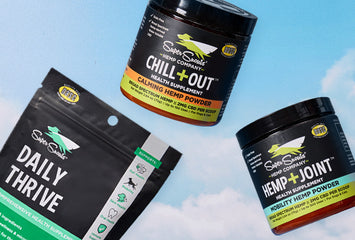
Soluble fiber is one of the few interventions that fits at both ends of that table, because it holds water in the stool either way. Firm Up is a concentrated pumpkin and apple pectin powder, rehydrated with warm water and stirred into food — a source of soluble fiber that travels well between seasons.
Which seasonal changes need a phone call?
Some of them, and the line is clearer than owners expect.
When a stool change lasts beyond about 48 hours, or arrives alongside lethargy, visible blood, black tarry stool, or repeated vomiting, call your clinic instead of waiting it out. The same applies to any puppy, any senior, and any dog with an existing condition — the tolerance for watching and waiting is much lower in all three.
A fecal test is cheap and worth requesting specifically after spring water exposure, since Giardia is easily missed and doesn't clear on its own. The AVMA's parasite guidance explains why a single negative test isn't always conclusive.
One mild, self-limiting episode in a healthy adult after an obvious dietary indiscretion is different from a pattern. Track it. Our stool scoring guide makes the notes more useful, and our piece on seasonal hydration covers the winter side in more depth.
FAQ
Why does my dog get diarrhea every spring?
The most common culprits are meltwater parasites, particularly Giardia, and access to thawing organic material that was frozen and inaccessible all winter. Increased grass consumption plays a smaller role. If it recurs annually, ask for a fecal test early in the season rather than after several weeks of loose stool.
Is it normal for a dog's stool to get harder in winter?
Somewhat, yes. Lower water intake and reduced activity both contribute, and mild firming is common. What isn't normal is straining, small dry pellets, or skipped days. Those warrant attention, starting with measuring how much your dog actually drinks over 24 hours.
Should I change my dog's food seasonally?
Generally no. Each change carries its own transition risk, and four transitions a year is a lot of disruption for a marginal benefit. Adjust portion size for activity changes and adjust water strategy for temperature, but leave the formula alone unless there's a specific reason.
Can cold weather itself cause digestive upset?
Not directly. Cold changes behavior — less drinking, less movement, more indoor time, seasonal foods around the house — and those changes affect digestion. The temperature isn't acting on the gut. This distinction matters because it points at what you can actually control.
How long should I wait before calling the vet about seasonal loose stool?
About 48 hours for an otherwise well adult dog eating and drinking normally. Sooner for puppies, seniors, small breeds who dehydrate quickly, and any dog with a known health condition. Immediately if there's blood, persistent vomiting, obvious pain, or a dog who won't drink.