

Pumpkin powder and pumpkin puree are the same vegetable at two different moisture levels. Puree holds its water; powder has had it removed by dehydration, leaving a dense, shelf-stable ingredient that measures in teaspoons instead of cups. Neither form is inherently better. They suit different kitchens, different dog sizes, and different definitions of convenient.
What does dehydration change about pumpkin?
It changes concentration and stability, and leaves the underlying nutrition largely intact. Water carries no calories and no fiber, so removing it raises the density of everything else without adding anything.
Stability is the bigger shift. Microbes need available water to grow, and dropping water activity below roughly 0.6 makes a food inhospitable to spoilage organisms. That is why dried pumpkin sits in a cupboard for months while an opened can gets five days in the refrigerator before it turns.
Heat during drying does cost something. Some heat-sensitive vitamins decline, and low-temperature drying preserves more than aggressive methods. Fiber, however, is structural and survives the process essentially unchanged, which matters because fiber is the reason most people buy pumpkin for a dog in the first place.
What kind of fiber is in pumpkin?
Both kinds, weighted toward soluble. Pumpkin flesh contains pectin and other soluble fibers that dissolve into a gel in the presence of water, plus a smaller share of insoluble fiber that adds bulk and passes through largely intact.
That mix is why pumpkin gets recommended so widely. Soluble fiber absorbs water and slows transit; insoluble fiber adds volume and speeds it. A food carrying both behaves less aggressively than an isolated fiber supplement pushed in one direction.
Fermentation adds a third layer. Gut bacteria ferment soluble fiber into short-chain fatty acids, which colonocytes use as fuel. That mechanism is well documented across the veterinary nutrition literature indexed on PubMed, and it is the honest reason to care about fiber sources beyond stool texture.
How do you rehydrate powder properly?
Stir it into warm liquid and wait 60 seconds. The waiting is the part people skip.
A reliable ratio is one part powder to four or five parts warm water by volume, which lands close to the texture of canned puree. Warm liquid hydrates faster than cold, and stirring rather than dumping prevents the clumps that form when dry powder hits water all at once.
Use plain water or an unsalted broth. Skip milk, which adds lactose that many adult dogs handle poorly, and skip anything with onion or garlic in the ingredient list, which rules out most commercial stocks.
Which form suits which dog?
Size and diet type decide most of this.
That last row is not trivial. A stuffed toy packed with puree and frozen is a legitimately good use of the canned form, and powder is clumsy for it.
How much of each do you actually feed?
Start small and adjust, because the correct amount depends on the dog's size and the rest of the meal.
A workable starting framework, with the label always taking precedence:
- Under 15 lb: roughly a quarter to a half teaspoon of powder, or about a tablespoon of puree.
- 15 to 40 lb: half to one teaspoon of powder, or one to two tablespoons of puree.
- 40 to 80 lb: one to two teaspoons of powder, or two to four tablespoons of puree.
- Over 80 lb: two to three teaspoons of powder, or a quarter cup or more of puree.
Hold at a given amount for several days before increasing. Adding fiber faster than the gut adapts produces gas, which is the most common complaint and the most avoidable one. Anyone whose dog is managing a diagnosed digestive condition should confirm the plan with their veterinary team before adjusting anything, since fiber interacts with therapeutic diets in ways a general guideline cannot anticipate.
Does one form store better than the other?
Decisively, yes. Dried powder in a sealed container keeps for months at room temperature. Opened puree lasts under a week refrigerated and should never be left in the original can, where the metal can affect flavor and the exposed surface dries out.
For puree, freeze what you will not use within a few days. An ice cube tray portions it into roughly one-ounce blocks that thaw quickly and eliminate the waste problem entirely. For powder, the enemies are humidity and heat rather than time, so a closed jar away from the stove handles it.
Where does a concentrated powder fit in a routine?
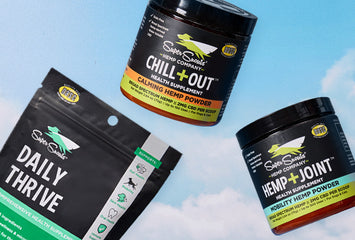
It fits wherever consistency and portion control matter more than convenience at the store. Firm Up is dehydrated pumpkin milled to a fine powder, which means a measured teaspoon delivers the same thing every time, without the batch-to-batch moisture variation you get across cans and squash varieties.
Repeatability is underrated. If you are tracking how a dog responds to a dietary change, feeding a consistent quantity of a consistent ingredient is the only way the observation means anything.
Also worth reading: our comparison of soluble and insoluble fiber and our notes on building a fiber routine for a sensitive dog.
Frequently asked questions
Does drying destroy the fiber in pumpkin?
No. Dietary fiber is structural plant material and survives dehydration essentially unchanged, which is why dried pumpkin is such a dense fiber source by weight. What does decline are some heat-labile vitamins, particularly vitamin C, though pumpkin was never a significant contributor of that nutrient in a dog's overall diet anyway.
Can I make pumpkin powder at home?
Technically yes, with a dehydrator and a grinder, though getting water activity low enough for shelf stability is harder than it sounds without a way to measure it. Home-dried pumpkin should be treated as a short-term product and stored in the freezer, since an incompletely dried batch can develop mold that is not visible early.
Is powder more expensive than a can?
Per ounce of product, yes, and by a wide margin. Per serving actually fed, the gap narrows or reverses, especially for small dogs where most of an opened can never gets used. Compare cost per serving rather than cost per container and the comparison becomes far more honest.
Will my dog notice the difference in taste?
Some do. Puree is wetter and more aromatic straight from the container, which some dogs prefer, while rehydrated powder ends up in a similar place once it has had a minute to absorb liquid. Serving either one slightly warm increases aroma noticeably and tends to settle any hesitation.
Can pumpkin replace a fiber supplement my vet prescribed?
Treat that as a question for the prescriber rather than a swap you make at home. Prescribed fiber products are chosen for specific properties and measured amounts, and substituting a food-based source changes both the type and the quantity involved. Bring the pumpkin label to the appointment and ask directly.