

For a Pomeranian, smart supplementation targets three documented weak points: the knees (patellar luxation is common across toy breeds), the coat (Poms are the poster breed for alopecia X), and a tiny digestive system that has little room for error. Everything else on the supplement shelf is optional; these three deserve your attention first.
Meet the Pomeranian
Pomeranians descend from much larger Arctic spitz sledding dogs, shrunk down over generations to today's 3-to-7-pound companion. What survived the downsizing: the double coat, the confidence, and an alert, busy temperament that has no idea it belongs to a toy dog. Poms commonly live 12 to 16 years, which means the choices you make in year two are still paying dividends — or collecting interest — in year fourteen. Their small size is central to every health conversation. A 5-pound dog has a stomach roughly the size of a walnut, bones as slim as pencils, and a metabolism that burns through meals fast.
The knee problem nobody warns you about
Patellar luxation — a kneecap that slips out of its groove — is one of the most frequently diagnosed orthopedic conditions in toy breeds, and Pomeranians appear consistently on the high-risk list. VCA's overview of patellar luxation describes the classic sign: a dog that skips or holds up a back leg for a few strides, then trots off as if nothing happened. Grades range from occasional slipping to kneecaps that won't stay seated at all.
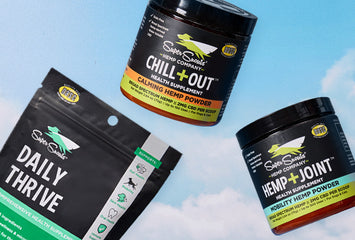
Supplements don't fix a shallow groove — that's anatomy, and higher grades are surgical territory your vet will grade and monitor. What nutrition can do is support the cartilage and soft tissue around a joint that experiences abnormal wear. Our approach is a single proven ingredient rather than a kitchen-sink formula: Joint Power is nothing but New Zealand green-lipped mussel, a whole-food source of omega-3s, glycosaminoglycans, and chondroitin. For a dog this small, dose control matters, and a pure powder makes tiny, precise servings easy. Also protect those knees mechanically: ramps instead of couch leaps, traction on slick floors, and a harness rather than a collar. If you ever see skipping steps, mention it at your next vet visit even if your Pom seems pain-free — early grading matters.
What's going on with Pomeranian coats?
That glorious orange ruff is a double coat, and it's also where Pomeranian health anxiety lives. The breed is disproportionately affected by alopecia X — sometimes called black skin disease — a poorly understood condition where the coat thins symmetrically and the skin darkens. Poms also mat and tangle without regular brushing, and their skin can get flaky in dry winters.
Be wary of anyone selling a coat-regrowth supplement for alopecia X; the honest answer is that the condition isn't fully understood, and diagnosis requires a veterinary dermatology workup to rule out thyroid and adrenal causes first. What we can say: overall skin health draws on nutrition, and the gut-skin-immune axis is one of the more active areas of veterinary research. Mushroom beta-glucans — the functional compounds in our seven-species Super Shrooms blend — have been studied for supporting normal immune function, which is foundational to healthy skin. Think of it as tending the soil, not painting the leaves. Any actual bald patches, darkened skin, or sudden coat changes go straight to your veterinarian.
Feeding a walnut-sized stomach
Small-breed digestion is its own discipline. Pomeranians do best on multiple small meals — many owners feed three times daily — because tiny stomachs empty fast and toy breeds can run low on blood sugar, especially as puppies. Poms are also notorious selective eaters, which leads owners into constant food and topper rotation, which in turn produces exactly the loose stool the rotation was supposed to prevent.
Our small-dog gut rules:
- Pick a complete diet and stay consistent. Rotate proteins slowly if you must rotate at all.
- Measure everything. Ten extra kibbles is a rounding error for a Labrador and a 5% overfeed for a Pom.
- When stool softens, reach for soluble fiber before you reach for a new food.
Pumpkin is the classic small-dog stool steadier, and it's the base of our Firm Up! powder — a small scoop does the work without adding meaningful calories. For a Pom with a rumbling stomach or occasional acid reflux (that empty-stomach bile vomit some small dogs do at dawn), a soothing pumpkin-and-botanical blend like Pumpkin Latte can be mixed into a late-evening snack. Repeated vomiting, refusal to eat for more than a day, or black tarry stool are emergencies in a dog this size — call your vet promptly rather than experimenting at home.
Don't forget the teeth
Dental disease deserves a mention even though it's not a supplement category: toy breeds crowd 42 teeth into a very small mouth, and by age three most Poms have some periodontal disease. No powder replaces brushing and professional cleanings. We flag it because oral bacteria load affects whole-body health, including the gut — one more reason your veterinarian's dental exam is worth the money.
Building the routine, Pom-sized
If we owned a young, healthy Pomeranian, the routine would be minimal: consistent food, measured portions, and a fiber scoop on standby for soft-stool days. Add green-lipped mussel when your vet notes early knee laxity or once the dog hits middle age. Add mushroom support if skin and coat need foundational help while a vet investigates the cause. One change at a time, two to four weeks between additions, and a quick confirmation call to your vet clinic before starting anything new — toy-breed dosing is unforgiving of guesswork.
Pomeranian FAQ
How do I dose supplements for a 4-pound dog?
Follow the smallest weight bracket on the label and never round up. Powders beat chews for precision at this size because you can measure fractions of a scoop. When in doubt, your vet can calculate an exact amount from the label's per-scoop analysis.
My Pom skips on one back leg sometimes. Is that urgent?
Intermittent skipping is the textbook sign of a low-grade luxating patella. It's not an emergency, but it is worth a vet exam to establish a grade — early documentation helps you track whether it's progressing.
Can supplements regrow coat lost to alopecia X?
No product can honestly claim that, and the condition needs a veterinary diagnosis before you spend money on anything. Nutrition supports normal skin and coat biology; it doesn't reverse an endocrine-linked disorder. Get the workup first.
Is daily pumpkin safe for a dog this small?
Generally yes, in appropriately tiny amounts — soluble fiber is gentle and well tolerated. The key is portion: a teaspoon-scale serving, not the quarter-cup a big dog gets. Confirm the right amount for your dog's weight with your veterinarian.
Our take
A Pomeranian doesn't need a supplement arsenal. It needs an owner who protects its knees, feeds it with precision, watches the coat, brushes the teeth, and keeps the vet on speed dial for anything odd. Support those fundamentals with one or two well-chosen, precisely dosed products and your Pom's second decade will thank you for it.