
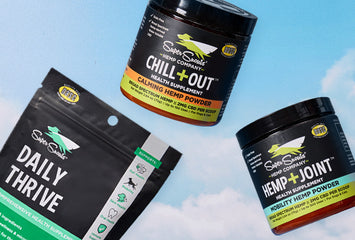

Good news first: the Pharaoh Hound is one of the healthiest purebred dogs you can own, with no widespread orthopedic or metabolic disease burden, so a sensible supplement plan is short — steady gut support for a fast-metabolism athlete, and skin-aware care for a coat so thin the dog literally blushes through it. That's the honest summary. The rest of this guide fills in the how.
Meet Malta's blushing hound
National dog of Malta, where it's called the Kelb tal-Fenek ("rabbit dog"), the Pharaoh Hound is a sleek coursing breed standing 21–25 inches and weighing 45–55 pounds. The AKC lists a lifespan of 12–14 years and describes the breed's signature party trick: ears and nose flushing rosy pink when excited. Expect an athletic, playful, independent dog — affectionate at home, single-minded when something small and furry runs.
Breed health surveys consistently rank Pharaohs among the most robust hounds. That doesn't mean nothing to do; it means what you do can be simple.
Fueling a fast metabolism without upsetting the gut
Pharaoh Hounds burn hot. A lean frame, explosive sprint work, and modest fat reserves mean these dogs do best on calorie-dense, consistent nutrition — and their GI tracts reward consistency. Owners commonly notice that rich novel treats, sudden food swaps, or a raid on something dead in the yard (coursing instincts include scavenging) produce a day or two of digestive protest.
Two habits carry most of the load. Transition foods over a full week minimum, mixing old and new gradually. And keep a fiber-plus-probiotic product in the cupboard for the inevitable off day — Firm Up! is our pumpkin-and-probiotic answer, and it earns its shelf space in an athletic hound's home. For dogs whose stomachs run reliably touchy, a daily probiotic baseline builds a microbiome with more shock absorption.
The usual line in the sand applies: soft stool that self-resolves in a day is life with a dog; vomiting, blood, lethargy, or anything lasting past 48 hours belongs in front of your veterinarian. The AVMA's pet owner resources are worth bookmarking for triage questions.
Thin coat, expressive skin
That glossy tan coat is barely a millimeter of protection. Pharaoh Hounds scrape and nick themselves more visibly than plush-coated breeds, feel cold acutely (a coat rack of dog sweaters is standard equipment), and can show sensitive or reactive skin — some individuals develop seasonal allergies with the itching and paw-licking that follow.
Support works from the inside out. Skin is immune tissue; roughly 70% of the immune system's activity happens in gut-associated tissue, which is one reason skin flare-ups and digestive wobbles so often travel together. Beta-glucan-rich functional mushrooms are our preferred whole-food input here — Super Shrooms delivers seven organic species in one blend, supplying compounds studied for supporting normal immune response. For a single-ingredient version of the same idea, Turkey Tail keeps the label to exactly one line.
Be clear-eyed about limits: true allergic disease needs veterinary diagnosis and a management plan. Supplements support normal immune function; they don't treat allergies, and intense scratching, hair loss, or hot spots mean it's time for a professional look. VCA's allergy overview explains what that workup involves.
What about joints, calming, everything else?
We skip what the breed doesn't need, and Pharaoh Hounds genuinely don't carry documented elevated risk for hip dysplasia, chronic anxiety, or urinary disease. A retired coursing athlete or senior sprinter can reasonably add green-lipped mussel for hard-worked joints — that's a lifestyle call, not a breed mandate, and one your vet can help you make based on how your individual dog moves. Sighthound-adjacent breeds also merit a reminder to your veterinary team about anesthesia protocol awareness given their lean body composition; it's a conversation, not a supplement.
The honest routine looks like this:
- Foundation: quality calorie-dense diet, measured meals, slow transitions.
- Daily: probiotic support if the stomach runs sensitive; mushroom blend for skin-season resilience.
- As needed: Firm Up! for episodic loose stool; a sweater for anything under 50°F.
- Always: new products introduced one at a time, with your vet's blessing on record.
Pharaoh Hound FAQ
Do Pharaoh Hounds have sensitive stomachs?
More than average, less than dramatic. Fast metabolisms and lean builds leave less buffer for dietary surprises, so consistency matters. A steady diet plus probiotic backup handles most of it; chronic issues deserve a vet visit rather than endless product-hopping.
Why is my Pharaoh Hound itchy?
Thin coats show and transmit irritation easily, and some Pharaohs develop environmental allergies. Support gut and immune health from the inside, but let your veterinarian identify the trigger — fleas, pollens, and food each require a completely different plan.
Is this breed prone to hip problems?
No — the Pharaoh Hound is notably sound, and hip dysplasia isn't a documented breed concern. Joint supplements are optional insurance for canine athletes and seniors, not a breed requirement. Ask your vet whether your dog's workload justifies one.
How do I keep weight on a picky Pharaoh?
First confirm with your veterinarian that the weight is actually low — sighthound-lean is correct for this body type. If calories genuinely need to rise, denser food beats bigger volume, and a palatable pumpkin-based topper can spark interest in the bowl.
Our take
The Pharaoh Hound rewards restraint. Feed consistently, support the gut with fiber and probiotics, give that expressive skin some immune-side backup, and resist the urge to supplement problems the breed doesn't have. Save the budget for sweaters and squeaky toys — and keep your veterinarian in the loop whenever the routine changes.