

Owning a Chinese Shar-Pei means managing skin and inflammation for the life of the dog: this breed's wrinkles, coat type, and unique genetics create documented predispositions to skin-fold infections, allergies, and an inherited fever syndrome found in no other breed. A smart supplement plan for a Shar-Pei therefore centers on skin support, immune balance, and a gut that isn't reacting to its food.
What makes this breed genuinely different
The Shar-Pei is a medium dog — 18–20 inches, 45–60 pounds, with an 8–12 year life expectancy per the AKC breed standard — but its biology is anything but standard. Those famous wrinkles come from an overproduction of hyaluronan in the skin, a genetic quirk unique to the breed. The coat comes in two documented types, horse (short, prickly) and brush (slightly longer), and both can irritate sensitive human skin, which tells you something about how reactive the coat itself is. Temperament runs independent, loyal, and reserved with strangers — an ancient guardian breed that bonds hard to its family and doesn't perform for outsiders.
Wrinkles are a maintenance job, not just a look
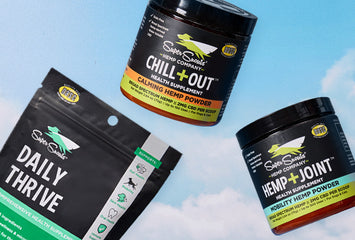
Every fold on a Shar-Pei is a warm, low-airflow pocket where moisture and bacteria collect, and skin-fold dermatitis (intertrigo) is a well-documented consequence. The non-negotiable work is physical: regular fold checks, gentle cleaning and thorough drying, and prompt veterinary attention for any fold that smells yeasty or looks angry. Nutrition plays the supporting role from the inside. Mushrooms like reishi and shiitake bring beta-glucans that support normal immune function, and a well-supported immune system is the backdrop every itchy dog needs. Our Super Shrooms blends seven organic mushrooms into one powder we designed for exactly this kind of daily skin-and-immune foundation. It supports the terrain; your vet treats the infections. Keep both jobs clearly separated in your plan.
Shar-Pei fever and the inflammation story
Here's the part that surprises new owners: the breed carries an inherited condition called Shar-Pei autoinflammatory disease (SPAID), historically known as familial Shar-Pei fever, with episodes of unexplained fever and swollen hocks documented in a significant share of the breed — research in PubMed-indexed veterinary literature links it to the same genetic region responsible for the wrinkled skin. Some affected dogs go on to develop amyloidosis, a serious protein-deposit condition affecting the kidneys. We want to be direct: no supplement manages SPAID, and any fever episode belongs at the vet clinic, ideally one familiar with the breed. What owners can do nutritionally is avoid piling additional inflammatory load on the system — keep the dog lean, feed a consistent high-quality diet, and discuss omega-3 sources with your veterinarian, since green-lipped mussel (the sole ingredient in our Joint Power) delivers marine omega-3s that also serve the joints of this sturdily built breed.
Food reactions and the itchy Shar-Pei
Allergic skin disease — environmental atopy and, less commonly, true food allergy — shows up in the Shar-Pei often enough that most owners will face an itchy season eventually. Sorting out the cause is detective work best led by your veterinarian, sometimes including a strict elimination diet trial. Meanwhile, the gut deserves attention, because a large portion of the immune system lives along the digestive tract. A daily prebiotic-and-probiotic foundation like Firm Up! keeps the microbiome steady, and G.I. Balance earns its spot during gassy, gurgly spells or diet transitions. If you're running an elimination trial, check with your vet before adding any supplement — even a beneficial one can muddy the results.
Eyes and ears: two quick watch-items
Entropion, where the eyelid rolls inward and lashes rub the cornea, is common enough in Shar-Pei that some puppies need temporary eyelid tacking. Tiny ear canals under tight folds also make ear infections a recurring theme. Neither is a supplement conversation — both are grooming-vigilance and veterinary conversations — but a breed guide that skipped them wouldn't be doing its job. Squinting, tearing, head-shaking, or ear odor all warrant a prompt exam.
Our Shar-Pei routine, in order of priority
Day one: a mushroom-based immune foundation (Super Shrooms) plus a microbiome base (Firm Up!), each introduced a week apart so you can attribute any changes correctly. For dogs with confirmed joint wear or in their senior years, green-lipped mussel joins the lineup. Keep G.I. Balance on the shelf for episodes. And because this breed carries unusual genetics, we'll say it plainly: build this routine with your veterinarian, not just from an article — dosing, timing, and interactions with any SPAID-related medication all deserve professional eyes.
Questions Shar-Pei owners ask us
What should I give a Shar-Pei with itchy skin?
Start with a veterinary workup to identify the cause, because treatment differs completely between fold infections, environmental allergy, and food reactions. Alongside that, daily immune-supportive mushrooms and a stable gut microbiome give the skin its best internal foundation. Expect management, not a one-jar fix.
Is Shar-Pei fever something supplements can help with?
No — SPAID is a genetic autoinflammatory condition that requires veterinary diagnosis and management. Supplements can support overall wellness around it, but fever episodes need professional care every time. If your Shar-Pei spikes unexplained fevers with swollen hocks, document the episodes and see a vet experienced with the breed.
How often should I clean my Shar-Pei's wrinkles?
Most owners settle into checking folds a few times weekly and cleaning as needed, always drying thoroughly afterward since trapped moisture causes the trouble. Deep facial and body folds may need more frequent attention in humid weather. Your veterinarian can show you proper technique at a routine visit.
Do Shar-Pei have sensitive stomachs?
Many do run reactive to abrupt food changes, and food-responsive skin issues appear in the breed more than average. Transition foods over 7–10 days, keep treats boring during any diet trial, and use probiotic support to steady the transition. Loose stool beyond a couple of days means a call to the clinic.
Final word
A Shar-Pei rewards owners who play the long, unglamorous game: folds checked and dried, immune system fed daily, gut kept boring, and a veterinarian who knows the breed on speed dial. Supplements are the steady background support in that picture — never the headline act, and never a substitute for the vet visits this remarkable breed genuinely needs.