
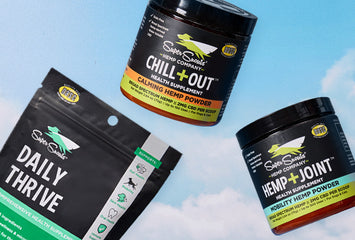

A hemp chew is a soft, treat-shaped supplement built around hemp — hemp seed powder, hemp aerial-part extract, or both — pressed into a palatable base so dogs eat it without argument. Most brands add supporting ingredients such as pumpkin, chamomile, or probiotic cultures. The chew is a delivery format, not a category of medicine. What any given one does depends on which hemp fraction the maker used and what rides along with it.
What actually counts as a hemp chew?
Any soft-baked or extruded treat whose functional panel leads with hemp qualifies, which makes the label a very wide tent. Cold-pressed hemp seed powder sits at one end: it behaves like a food ingredient, contributing protein, fat, and an omega-6 to omega-3 ratio near 3:1. At the other end sit aerial-part extracts standardized to cannabinoid content and measured in milligrams per piece. A third group adds a splash of hemp seed oil for texture and still prints HEMP across the front of the bag. Reading the ingredient panel sorts these into their real categories in about ten seconds, and it is the single most useful thing a shopper can do.
Is hemp the same as CBD or marijuana?
No, and the distinction is legal as much as chemical. Hemp in the United States is Cannabis sativa carrying no more than 0.3% THC by dry weight, a line drawn by the 2018 Farm Bill; cross that number and the identical plant is classified as marijuana. CBD is one of well over a hundred cannabinoids the plant produces. It can be pulled from hemp flower and leaf, but a chew built on hemp seed contains almost none of it, because seeds simply do not store cannabinoids in meaningful quantities. A hemp chew and a CBD chew can therefore be completely different products wearing very similar packaging.
What else is in the chew besides hemp?
The supporting cast usually does more work than the hemp itself. A digestion-leaning formula typically pairs hemp with prebiotic fiber, one or two probiotic strains, and an ingredient with a long kitchen history for stomach comfort — ginger, slippery elm, pumpkin. Super Snouts builds Super Shrooms on that same logic, treating each ingredient as one input among several rather than the whole pitch. Check the guaranteed analysis panel, because that is where per-chew amounts live. Ingredient order tells you sequence; only the analysis tells you scale. When a brand declines to publish amounts at all, the silence is itself a data point.
Chew, oil, or capsule: which format fits your dog?
Chews win on compliance and lose on precision. That trade-off is the whole decision.
For a 12-pound terrier who needs half a serving, an oil is far easier to titrate. For a 70-pound Labrador who treats pills as a personal insult, the chew is the format that actually gets used every day, and consistency beats elegance.
Why do hemp chews so often mention calm?
Because hemp gets formulated alongside ingredients with an established place in calming blends: L-theanine, chamomile, passionflower, magnesium. Hemp seed on its own is mostly a nutritional ingredient — fat, protein, minerals, a little fiber. When a bag leans on calm language, that framing generally traces back to the co-ingredients rather than to the hemp. Canine cannabinoid research has expanded quickly over the past decade, and the controlled trials are indexed on PubMed, though most run small and short. Read the front of the package with that context in hand.
What should you check before the first chew?
Work down this list before anything leaves the bag:
- Milligrams, not adjectives. "Hemp-rich" means nothing. A number per chew means something.
- A current certificate of analysis. Batch-specific, from an outside lab, covering cannabinoid content plus heavy metals and pesticides.
- Plant part and origin. Seed, aerial parts, or oil, and where it was grown.
- Filler load. If the first four ingredients are all binders and sweeteners, you are buying a cookie.
- Everything else in the medicine cabinet. Before adding any hemp-based chew to the rotation, run it past your veterinarian, since cannabinoids move through the same liver enzyme pathways as several common canine medications and your vet is the one who knows the full list.
How do you introduce one without stomach upset?
Start at half the labeled serving for three to five days, offered with a meal rather than on an empty stomach. Watch stool consistency across that window. A brief softening as fiber content rises is common and usually settles on its own. Owners who already track a baseline against a stool chart spot the change days earlier than owners who don't. Move to the full serving only after the half serving has been thoroughly boring for a week. And resist stacking three new supplements in the same seven days — if something disagrees, you will have no idea which bag caused it.
FAQ
How long before you notice anything from a hemp chew?
Nutritional ingredients like hemp seed work on a slow timeline; skin and coat changes tied to fatty acid intake generally need six to eight weeks to become visible. Behavioral or comfort-related co-ingredients tend to show up faster, often inside one to two weeks. Give any chew a full month before deciding whether it earned its place.
Can puppies have hemp chews?
Most manufacturers set a minimum age, commonly six months, and a minimum body weight. Puppies are growing fast, eating a diet already formulated for that growth, and metabolizing compounds differently than adults do. Read the age line on the label first, then get clearance from the clinic handling your puppy's vaccine series before starting anything.
Will a hemp chew interfere with routine bloodwork?
Standard canine chemistry and CBC panels are not screening for cannabinoids, so a hemp chew will not produce a surprise positive. That said, some cannabinoid research notes changes in liver enzyme values in dogs on higher extract doses. Tell the technician what your dog is receiving so any unusual number gets interpreted correctly.
Can I give a hemp chew and a probiotic the same day?
Yes, and many owners do. Space them a few hours apart if you want to keep variables separate, though there is no known interaction requiring it. The bigger caution is caloric: two soft chews plus regular treats adds up quickly for a small dog. Count them against the daily treat allowance.
What is a fair price for a hemp chew?
Between $0.40 and $1.20 per chew covers most of the honest market. Below that range, either the hemp inclusion is token or the testing was skipped. Far above it, you are frequently paying for packaging. Divide total price by the number of chews and by the milligrams disclosed, then compare that number across brands rather than comparing bag prices.