
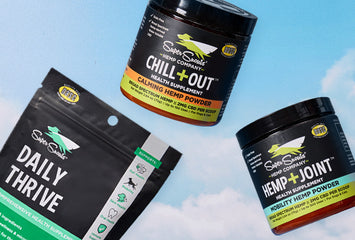

Two supplements listing the same ingredient can differ fivefold in price because the ingredient itself is not one thing. Raw material grade, extraction method, active-compound concentration, and batch testing each carry real cost, and none of them appear on the front of the package. Part of that spread buys measurable quality. Part of it buys a nicer jar. Telling the two apart is the whole skill.
Why does the same ingredient cost so differently?
Because "the same ingredient" names a category, not a specification. Turmeric can mean dried root powder at roughly 3% curcuminoids or a standardized extract at 95%, a thirtyfold gap in the compound anyone actually cares about. Fish oil can be crude, unrefined, and half rancid on arrival, or molecularly distilled with a documented peroxide value. Glucosamine can come from shellfish shells or from fermentation. Each pair shares a name on the ingredient panel and shares almost nothing else. That panel was never designed to communicate grade.
What does raw material sourcing actually cost?
More than most shoppers imagine, and it compounds through the supply chain. A commodity botanical powder might land at eight to fifteen dollars per kilogram. A standardized, identity-tested extract of the very same plant frequently runs one hundred and fifty to four hundred dollars per kilogram. That is not markup, it is yield. Concentrating an active fraction means starting with far more biomass, running solvent or hot-water extraction, and discarding most of what you bought. When a finished product retails for less than its stated ingredients would cost at extract pricing, the arithmetic has already told you which grade went in.
Mushroom supplements: where this gets vivid
Functional mushrooms make the sourcing question unusually easy to see. These products are built either from fruiting bodies — the actual mushroom — or from mycelium grown on sterilized grain and harvested along with that grain. The second method is dramatically cheaper and dramatically more common. It also means a meaningful share of the finished powder is starch from rice or oats rather than mushroom. Beta-glucan content is the honest test: fruiting body preparations typically assay well above 20%, while grain-grown mycelium products often land under 10% with high residual starch. Super Shrooms uses fruiting bodies for precisely this reason, and says so on the label rather than hiding behind the word "mushroom."
What does testing add to the price?
A real testing program costs roughly eight to thirty dollars per analyte per batch, and a thorough panel runs several analytes. Identity confirmation verifies the plant is the species claimed, which matters more than it should given documented adulteration in the botanical trade. Heavy metal screening catches lead, arsenic, cadmium, and mercury, which accumulate readily in mushrooms and marine ingredients. Microbial testing covers pathogens. Potency assays confirm the number on the label is the number in the jar. A brand running all four on every lot has absorbed real cost per unit before a single bottle ships.
Where the money goes, tier by tier
The jump from budget to mid is where most of the genuine quality lives. The jump from mid to premium buys verification and consistency, which matters far more for some ingredients than others.
Where is cheap perfectly fine?
Plenty of places, and pretending otherwise is its own kind of dishonesty:
- Single-ingredient whole foods. Plain dried pumpkin is plain dried pumpkin. Pay for organic if you want; do not pay for mystique.
- Common minerals. Zinc and magnesium salts are commodity chemicals with well-defined specifications.
- Psyllium husk. A fiber is a fiber. The expensive versions are mostly better packaged.
Where cheap tends to fail: concentrated botanical extracts, fish oil, live-culture products carrying count guarantees, and anything mushroom-derived. Those four categories repay attention.
How do you read a label for actual value?
Divide price by the milligrams of the active compound, not by the weight of the scoop. A forty-dollar jar delivering 300 mg of a standardized extract per serving beats a twelve-dollar jar delivering 40 mg of unstandardized powder, however much worse it looks on the shelf. Watch for proprietary blends, which list ingredients without amounts and let a manufacturer tuck a pinch of the expensive item behind a wall of rice flour. Confirm there is a lot number and an expiration date. The guide to reading a supplement label covers the panel line by line. One more thing: a quick call to your veterinary team is worth more than any label comparison when you are deciding whether a supplement belongs in your dog's bowl at all.
FAQ
Are store-brand dog supplements always lower quality?
Not necessarily, since many come out of the same contract facilities that produce name brands. What store brands usually lack is a published testing program and traceable sourcing documentation. For a simple commodity ingredient, that gap is tolerable. For a concentrated extract or a live-culture product, the missing paperwork is the entire risk.
Does a USP or NSF mark mean anything for pet products?
Those programs were built primarily around human supplements, so their marks appear rarely on pet products. The closer equivalent is the National Animal Supplement Council quality seal, which requires adverse event reporting, label claim review, and good manufacturing practice compliance. It is not a potency guarantee, but it does indicate a brand submitting to outside scrutiny.
Why do subscription supplements cost less per unit?
Predictable order volume lets a brand plan production runs and negotiate raw material contracts rather than buying at spot prices. That genuinely lowers cost, and passing some back is legitimate. Just confirm the discount is not offset by a smaller container, and read the cancellation terms before the first shipment arrives.
Is an expensive supplement worth it for a healthy dog?
Often not. A healthy adult dog eating a complete diet has few nutritional gaps, and the highest-value spending is usually targeted rather than broad. Concentrated products earn their price when there is a specific reason for them. Buying premium everything for a dog with no particular need is mostly buying reassurance.
How can I tell if a supplement has gone bad?
Smell is the fastest test, especially for anything oil-based, since rancid fish oil is unmistakable and faintly like paint. Clumping in a powder points to moisture, which shortens the life of live cultures sharply. Color shifts in botanical powders suggest oxidation. Check the expiration date, then trust your nose over the date whenever the two disagree.