
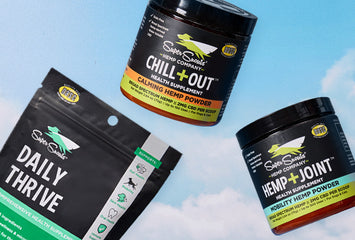

A practical framework for steady daily immune support — the working version of how to put it all together.
After 24 articles in this series covering the parts — beta-glucans, antioxidants, vitamins, minerals, sleep, stress, diet, autoimmune disease — the practical question remains: what does a real, year-round immunity routine for a dog actually look like? Here's the working version.
The best wellness routine is the one you'll actually do every day. Here's a framework that owners can actually maintain — not a complicated regimen that gets abandoned within a month.
Layer 1: foundational diet
Quality commercial diet appropriate to the dog's life stage and any health conditions.
Adequate protein — supports immune cell production.
Adequate omega-3 fatty acids — modulate inflammation.
Variety in food sources over time — supports microbiome diversity.
Avoid known triggers if dog has identified sensitivities.
Layer 2: lifestyle baseline
Daily exercise within the dog's tolerance.
Adequate sleep (12-14 hours daily for adults).
Predictable routines to reduce stress.
Social interaction and mental stimulation.
Regular grooming and basic hygiene.
Layer 3: foundational supplementation
Omega-3 supplementation if not adequately provided by diet.
Probiotic support — periodically or continuously based on individual needs.
Vitamin E — if dog's diet doesn't provide adequate amounts.
These are the supplements with the strongest evidence for general immune support in healthy dogs.
Layer 4: targeted immune-active supplementation
Beta-glucan input (mushroom-based) for steady immune modulation.
Antioxidant inputs as appropriate for the dog's situation.
These are above the foundational level — useful for many dogs but not universally required.
Layer 5: seasonal and situational adjustments
Pre-allergy season: starting allergy-supportive ingredients 2-3 weeks ahead.
Stress events: adaptogenic and calming inputs during boarding, travel, holidays.
Active illness or recovery: more intensive support under vet guidance.
Surgery or vaccination: temporary adjustments as appropriate.
Layer 6: veterinary care integration
Annual wellness exams (semi-annual for seniors).
Vaccination on appropriate schedule — discuss titers if appropriate for your dog.
Periodic bloodwork to catch early changes.
Prompt attention to any concerning symptoms.
Open communication with vet about all supplements being used.
Daily routine template
Morning: foundational supplements with breakfast.
Mid-day: physical and mental activity appropriate to dog's tolerance.
Evening: any additional supplements with dinner.
Pre-bed: calm environment, quality sleep setup.
Weekly/monthly elements
Weekly: review of food, treats, and any new variables introduced.
Monthly: photo log of skin, coat, eyes — catches slow drift.
Quarterly: subjective assessment of energy, behavior, and overall well-being.
Common mistakes to avoid
Stacking too many products without clear purpose.
Changing things constantly — chasing the latest viral recommendation.
Ignoring veterinary care in favor of supplements.
Sub-therapeutic doses (read actives panels carefully).
Not adjusting for the dog's age and condition over time.
What 'success' looks like
Dog maintains energy and engagement across life stages.
Recovers normally from minor illnesses.
Maintains good coat, skin, and overall appearance.
Reasonable allergy and inflammation management if predisposed.
Resilient through stress events.
Quality of life remains high through senior years.
Adapting through life stages
Puppies: focus on foundational nutrition, appropriate vaccination, and microbiome development. Limited supplementation.
Young adults: establishing baseline routine. Foundational supplements based on individual factors.
Middle age: adjusting for any developing conditions. Adding targeted support as appropriate.
Seniors: more intensive support, vet involvement, quality-of-life focus.
The principle underneath
Most immune-supportive interventions compound over months and years rather than producing dramatic short-term changes.
Consistency matters more than perfection.
The best routine is the one you'll actually maintain.
Adjusting based on results and changing circumstances is better than rigid adherence to any single plan.
Common questions about long-term routines
How long does it take to see results from an immune routine? Subtle changes over 8-12 weeks. Dramatic changes uncommon.
Can I do too much? Yes — supplement stacking has diminishing returns and potential interactions.
Should the routine change with seasons? Yes, for allergy-prone dogs especially.
Where do I start if I'm overwhelmed? Foundational diet, exercise, sleep first. Add layers gradually as you can sustain them.
What to track over years
Annual health assessments.
Specific symptom patterns and changes.
Response to interventions added or removed.
Quality of life metrics — appetite, energy, sleep, engagement, mobility.