

There's a direct line between what goes into your dog's bowl and what comes out the other end. Dog owners who've switched from a low-quality kibble to a higher-quality diet often report that within weeks, their dog's stools firm up, gas reduces, and their energy levels improve. That's not coincidence — it's digestion working better.
Diet is the single most impactful lever you have when it comes to your dog's gut health. But with so many options on the market — raw, grain-free, fresh, freeze-dried, prescription formulas — knowing what actually helps can feel overwhelming. Here's a clear-eyed look at what the evidence says.
High-Quality Protein Sources
Protein is the cornerstone of a dog's diet, and quality matters enormously for digestibility. Whole, named meat sources — chicken, turkey, beef, salmon, lamb — are far more bioavailable than vague ingredients like 'meat meal' or 'animal by-product meal.' The more digestible the protein, the less work the gut has to do, and the less residue ends up in the colon causing fermentation, gas, and loose stools.
Look for dog foods that list a whole meat source as the first ingredient. Single-protein diets can also be useful for dogs with food sensitivities — if your dog is reacting to chicken, switching to a single-protein food based on fish or duck makes it easy to identify and eliminate the trigger.
Fish, particularly salmon and sardines, deserve special mention. They're excellent protein sources and also provide omega-3 fatty acids, which have anti-inflammatory properties that benefit the gut lining and the whole body.
Fermentable Fibers: Prebiotics in Your Dog's Bowl
Not all fiber is created equal when it comes to gut health. Fermentable (soluble) fibers — like inulin, pectin, and beta-glucan — are fermented by gut bacteria into short-chain fatty acids (SCFAs), which nourish the cells lining the colon and support a diverse, healthy microbiome.
Great natural sources of fermentable fiber for dogs include sweet potatoes, pumpkin, apples (without seeds), blueberries, and chicory root. Many quality dog foods include these ingredients, and some are sold as standalone supplements.
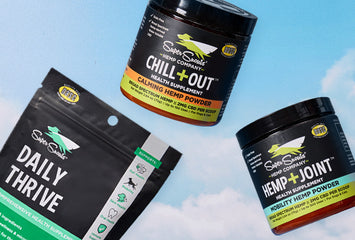
Pumpkin, in particular, is one of the most useful digestive foods for dogs. It works for both diarrhea (absorbing excess water and firming stools) and constipation (adding bulk to move things along). A few tablespoons mixed into meals can make a noticeable difference. For a convenient daily option, Super Snouts Firm Up delivers concentrated pumpkin and apple fiber along with organic agave inulin — a prebiotic fiber that selectively feeds beneficial gut bacteria.
Fermented Foods: A Probiotic Boost
Fermented foods are a natural source of probiotics and have been used to support gut health in humans and animals for centuries. Plain, unsweetened yogurt (in moderate amounts) is a common recommendation for dogs — it contains Lactobacillus cultures and can provide a probiotic boost. However, some dogs are lactose intolerant, so watch for gas or loose stools when introducing it.
Kefir is another option. It's lower in lactose than yogurt and typically contains a broader range of beneficial microorganisms. A tablespoon or two added to your dog's food a few times a week is a low-cost way to support microbiome diversity.
Some pet food brands now incorporate fermentation into their manufacturing process to naturally increase probiotic content. These can be worth looking for if your dog has ongoing GI sensitivity.
Foods to Avoid for Digestive Health
On the other side of the ledger: certain ingredients and foods reliably cause digestive trouble in dogs. Artificial fillers and low-quality grain fractions — corn syrup, soy hulls, unnamed animal fats — offer little nutritional value and can ferment undesirably in the gut, producing gas and loose stools.
High-fat foods, especially in large amounts, can overwhelm the pancreas and trigger pancreatitis, a serious and painful condition. Fatty table scraps, pork fat trimmings, and fried foods are common culprits. Dairy products other than plain yogurt or kefir are problematic for most dogs due to lactose.
Onions, garlic, grapes, raisins, xylitol (in peanut butter and many human foods), chocolate, and macadamia nuts are toxic and should never be fed. Even small amounts of xylitol can cause life-threatening hypoglycemia in dogs.
The AKC's nutrition guidance emphasizes that even well-intentioned table scrap feeding often leads to GI upset because of the fat content and the abrupt dietary change it introduces.
Raw vs. Cooked: Does It Matter for Digestion?
Raw food diets have a vocal following in the pet community. Proponents argue that a dog's digestive system is designed for raw meat and that cooking destroys enzymes and reduces bioavailability. Critics point to the documented risks of bacterial contamination (Salmonella, Listeria) and nutritional imbalance in improperly formulated raw diets.
The honest answer is that digestion research comparing raw vs. cooked diets in dogs is mixed. Some studies show modestly higher digestibility for raw meat in healthy dogs. Others find no significant difference when high-quality cooked diets are used. What's consistent is that dogs fed balanced, complete, high-quality diets — raw or cooked — tend to have better digestive outcomes than those on low-quality processed foods.
If you choose to feed raw, work with a veterinary nutritionist to ensure the diet is complete and balanced, and follow proper food safety protocols for both your dog and your household.
Building a Gut-Friendly Diet: Practical Tips
Start with a quality base food appropriate for your dog's age, size, and health status. Transition slowly when changing foods — over 7 to 10 days, mixing increasing amounts of the new food with the old. This allows gut bacteria to adapt and dramatically reduces the risk of diarrhea.
Add fiber-rich whole foods as toppers or mix-ins: a spoonful of pumpkin puree, a few blueberries, or a tablespoon of plain unsweetened kefir. These modest additions can meaningfully support the gut microbiome without disrupting the nutritional balance of your dog's primary diet.
For dogs with persistent digestive sensitivity, consider adding a dedicated gut support supplement. Consistent prebiotic and fiber support, like that in Super Snouts Firm Up, can make a real difference in stool quality, gut motility, and microbiome health over time.
What your dog eats every day shapes their gut microbiome, their digestion, and ultimately their whole-body health. The good news is that you don't need to reinvent their diet overnight — even small, consistent improvements in food quality and gut-supportive additions can produce meaningful changes. Start with what's in the bowl, and build from there.